
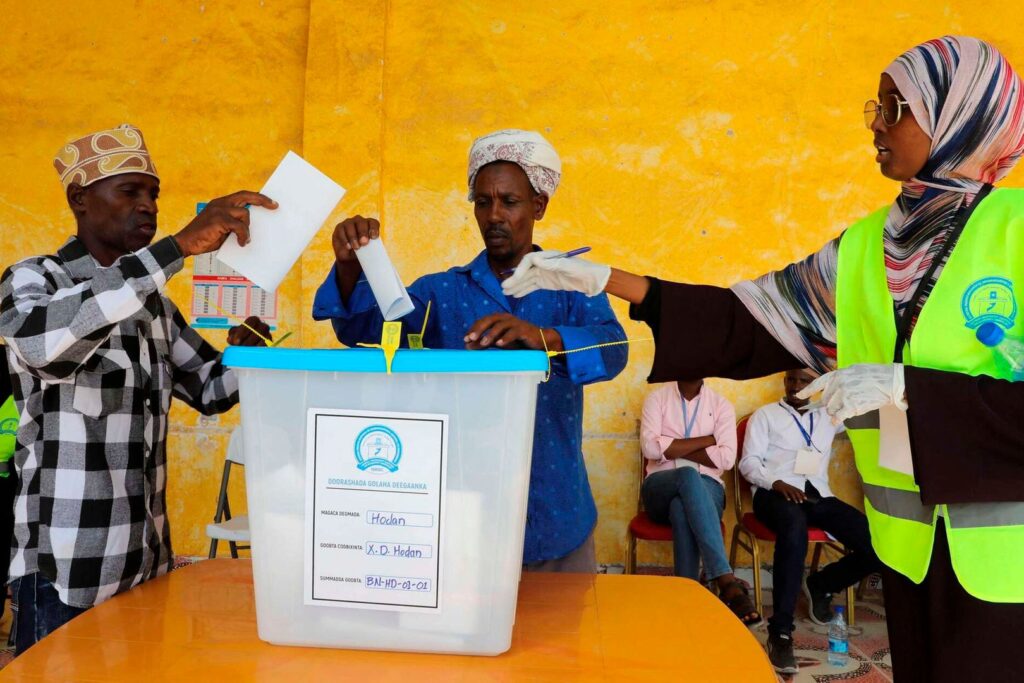
Macadku waxa usameyey cilmi baaris laxirirta xalka dorashada somaliya.
the context of Somalia, disputes and delays in elections have several serious impacts
Political instability
Election delays often lead to tension between federal and regional leaders, weakening national unity and governance.
Weak government legitimacy
When elections are delayed or disputed, citizens and political actors may question the legitimacy of leaders, reducing public trust.Security challenges
Disputes distract leaders from fighting insecurity and can be exploited by extremist groups to increase attacks.Clan and regional tensions
Somalia’s clan-based political system can make election disputes more sensitive, increasing mistrust and conflict between clans and regions.
Delayed government services
Prolonged political disagreements slow decision-making, affecting public services such as health, education, and infrastructure.
Economic impact
Political uncertainty discourages investment, delays international aid, and worsens unemployment and poverty.Strained federal–state relations
Disagreements over election processes can deepen conflicts between the federal government and member states.
International concern and pressure election delays can reduce donor confidence and lead to diplomatic pressure on Somalia’s leadership.
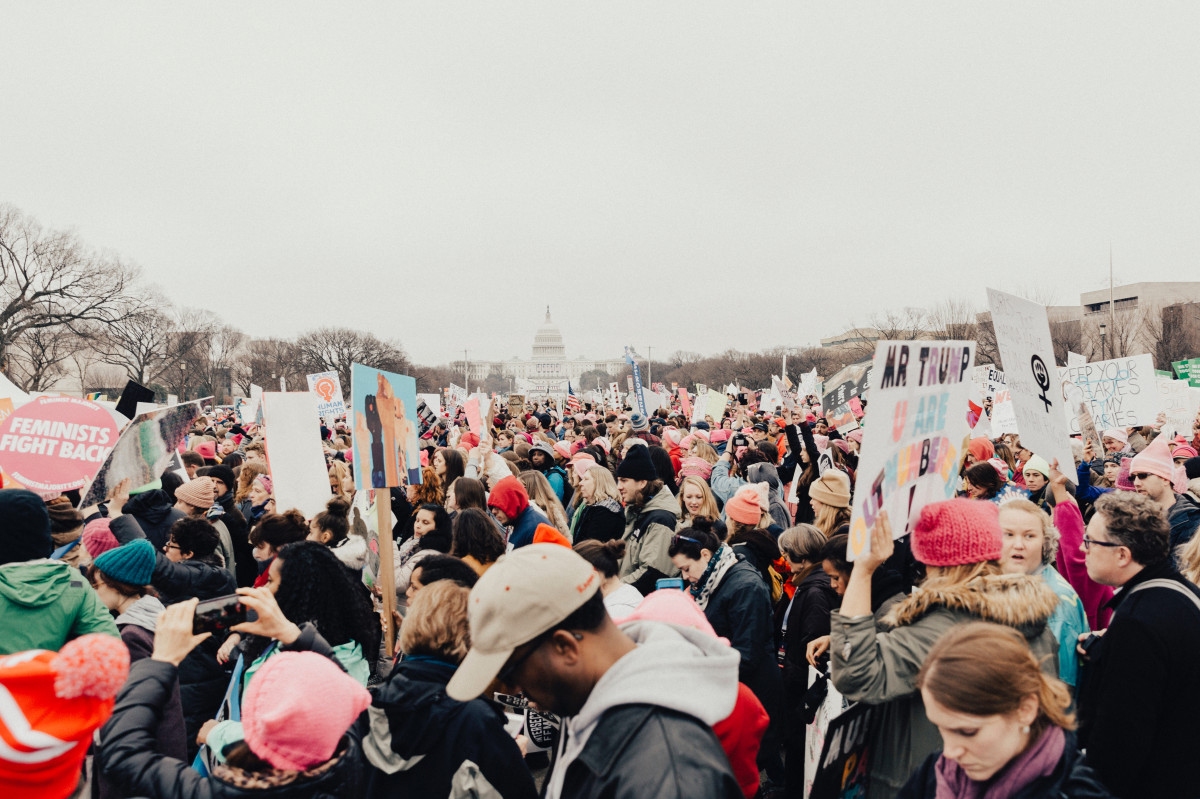
Public protests citizens with leaders, leading to demonstrations and possible violence.Slow progress toward democracy
Repeated delays hinder Somalia’s transition to a stable, democratic system with one-person-one-vote elections.
Leave a Reply